
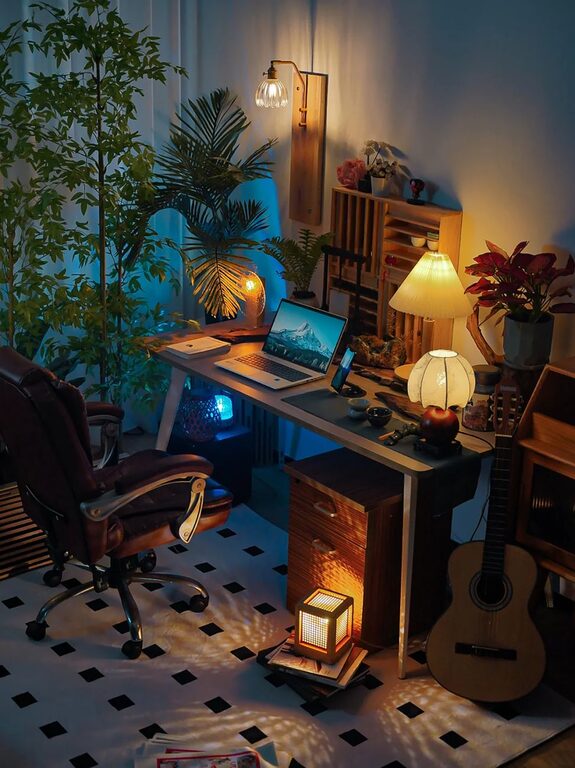
Creating a cozy and inviting home workspace can make a significant difference in how you feel while working and how productive you are throughout the day. Since many people spend a large portion of their day at their desks, having a comfortable, personalized, and well-organized space is essential. Whether you’re working remotely full-time or just occasionally, these tips will help you design a home workspace that feels both functional and welcoming.
Why a Cozy Workspace Matters
A workspace that feels warm and inviting can improve focus, reduce stress, and make daily tasks more enjoyable. When your environment supports your needs and preferences, it can inspire creativity and help you maintain a healthy work-life balance.
Choose the Right Location
Consider Natural Light
Natural light has a positive effect on mood and energy levels. Whenever possible, set up your workspace near a window to enjoy daylight. If this isn’t possible, choose bright, ambient lighting options that mimic natural light.
Minimize Distractions
Select a quiet area of your home where distractions are limited. This might be a spare room, a nook in your living room, or a corner in your bedroom. Using room dividers or curtains can help separate your work environment from other living spaces.
Select Comfortable and Supportive Furniture
Invest in a Good Chair
Your chair should provide good lumbar support, be adjustable, and allow you to sit comfortably for extended periods. Ergonomic chairs can significantly decrease discomfort and improve posture.
Select an Appropriate Desk
Choose a desk that fits your available space and meets your work needs. It should be large enough for your computer, documents, and any other tools you use regularly but not overcrowded.
Personalize Your Space
Add Warm Textiles
Incorporate soft touches like cushions, blankets, or a small rug to make your workspace feel more inviting. Choose colors and textures that you find calming or energizing.
Bring in Plants
Houseplants improve air quality and add a touch of nature that can boost mood and productivity. Small succulents, spider plants, or peace lilies are easy to maintain and great options for desks.
Display Personal Items
Include items that inspire you such as photos, artwork, or motivational quotes. However, avoid cluttering your space; keep personal touches meaningful yet minimal.
Organize for Efficiency and Calm
Use Storage Solutions
Keep your workspace tidy with storage like shelves, baskets, or drawers. Organizing documents, office supplies, and gadgets prevents clutter and helps you find things more quickly.
Declutter Regularly
Set aside time weekly to clear unnecessary items from your desk and surrounding area. A clean space supports better focus and reduces stress.
Optimize Lighting
Layer Your Lighting
Combine ambient light (main room lighting) with task lighting, such as a desk lamp, to reduce eye strain and create a balanced atmosphere.
Choose Warm Light Bulbs
Bulbs with a warm color temperature (around 2700K to 3000K) create a cozy and inviting environment compared to cooler white lights.
Incorporate Calming Scents and Sounds
Use Essential Oils or Candles
Scents like lavender, eucalyptus, or citrus can enhance relaxation and focus. If using candles, ensure safety by never leaving them unattended.
Play Background Music or Nature Sounds
Soft instrumental music or nature sounds can help drown out distracting noises and create a pleasant atmosphere for working.
Maintain Good Air Quality
Opening windows regularly to let in fresh air or using an air purifier can improve air quality. Good ventilation supports your overall wellbeing and concentration.
Set Boundaries for Work-Life Balance
Just as your physical space helps you focus, so do mental boundaries. Use your workspace only for work when possible. At the end of the day, shut down your computer and put away work materials to signal the end of your work period.
—
By following these tips, you can transform a simple corner or room into a cozy and inviting home workspace. Personal touches, ergonomic furniture, proper lighting, and organization all contribute to a space where you look forward to spending time and where your productivity can thrive. Remember, the best workspace is one that fits your unique needs and feels like a place you want to be.