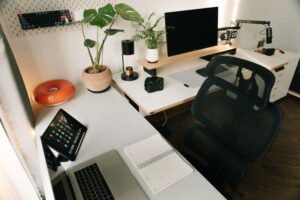

Working from home has become increasingly common, and having a productive home office is key to maintaining focus and efficiency. Whether you’re a full-time remote employee or just need a dedicated space for occasional work, creating a comfortable and distraction-free environment can make a big difference. Here are some practical tips to help you set up a home office that supports your best work.
Choose the Right Location
Selecting the ideal spot in your home to create your office is the first step. Look for a space that offers:
– Minimal distractions: A quiet room away from high-traffic areas helps reduce noise and interruptions.
– Natural light: Position your desk near a window if possible. Natural light can improve your mood and energy levels.
– Enough space: Ensure there’s enough room for your desk, chair, and any equipment or storage you need.
If a separate room isn’t an option, consider using room dividers or noise-canceling headphones to create a dedicated zone.
Invest in Ergonomic Furniture
Comfortable furniture can prevent fatigue and physical strain, helping you stay focused longer. Key pieces include:
– Ergonomic chair: Choose a chair with adjustable height, good lumbar support, and comfortable padding.
– Desk: Select a desk at the right height where your arms rest comfortably at a 90-degree angle while typing.
– Monitor setup: Place your monitor at eye level to avoid neck strain.
Adjust your setup as needed to maintain good posture throughout the day.
Organize Your Space Efficiently
An organized workspace promotes concentration and reduces stress. Here’s how you can keep things tidy:
– Declutter regularly: Remove items you don’t need daily to keep your desk clear.
– Use storage solutions: Shelves, drawers, and organizers help keep papers and supplies neatly stored.
– Designate zones: Create dedicated areas for computer work, paperwork, and breaks.
Labeling files and keeping commonly used items within arm’s reach can save time and hassle.
Optimize Lighting
Good lighting is essential for productivity and eye comfort:
– Use natural light: As mentioned, natural sunlight is ideal and helps regulate your circadian rhythm.
– Add task lighting: A desk lamp with adjustable brightness can provide focused light for reading and detailed work.
– Avoid glare: Position screens to minimize glare from windows or lights.
Consider softer white bulbs that mimic daylight to keep your space bright yet comfortable.
Minimize Distractions
Distractions can quickly derail your workflow. Try these methods to stay focused:
– Set boundaries: Inform family or roommates about your work hours and space.
– Turn off notifications: Silence non-essential notifications on your phone and computer during work blocks.
– Use noise control: Play background music or white noise if it helps your concentration.
Developing a consistent routine can also train your brain to focus during work periods.
Personalize Your Workspace
Adding personal touches can boost your motivation and make the office feel inviting:
– Add plants: Greenery can improve air quality and create a calming atmosphere.
– Decorate thoughtfully: Photos, artwork, or inspirational quotes add personality without clutter.
– Use colors wisely: Choose colors that energize or relax you, depending on your preference.
Balance personalization with professionalism, especially if you often join video meetings.
Prioritize Technology and Connectivity
Reliable equipment and internet connectivity are essential for remote work:
– Upgrade hardware: Ensure your computer, keyboard, and mouse are comfortable and efficient.
– Use a fast internet connection: Consider a wired connection or a strong Wi-Fi signal to avoid disruptions.
– Backup your data: Use cloud storage or external drives to protect your work.
Having technical support options on hand can also reduce downtime.
Create a Routine and Take Breaks
A structured routine helps maintain productivity and work-life balance:
– Set regular working hours: Define your start, break, and end times to create predictability.
– Schedule breaks: Take short breaks every hour to stretch, rest your eyes, and recharge.
– Designate a “shutdown” ritual: Signal the end of your workday by tidying your desk or shutting down your computer.
Routine reduces stress and helps you stay energized throughout the day.
—
Creating a productive home office environment is about combining comfort, organization, and focus-friendly features. By carefully selecting your space, investing in quality furniture, keeping things organized, and managing distractions, you’ll foster a workspace that supports your goals and wellbeing. Use these tips to build a home office that helps you thrive in your work-from-home routine.